

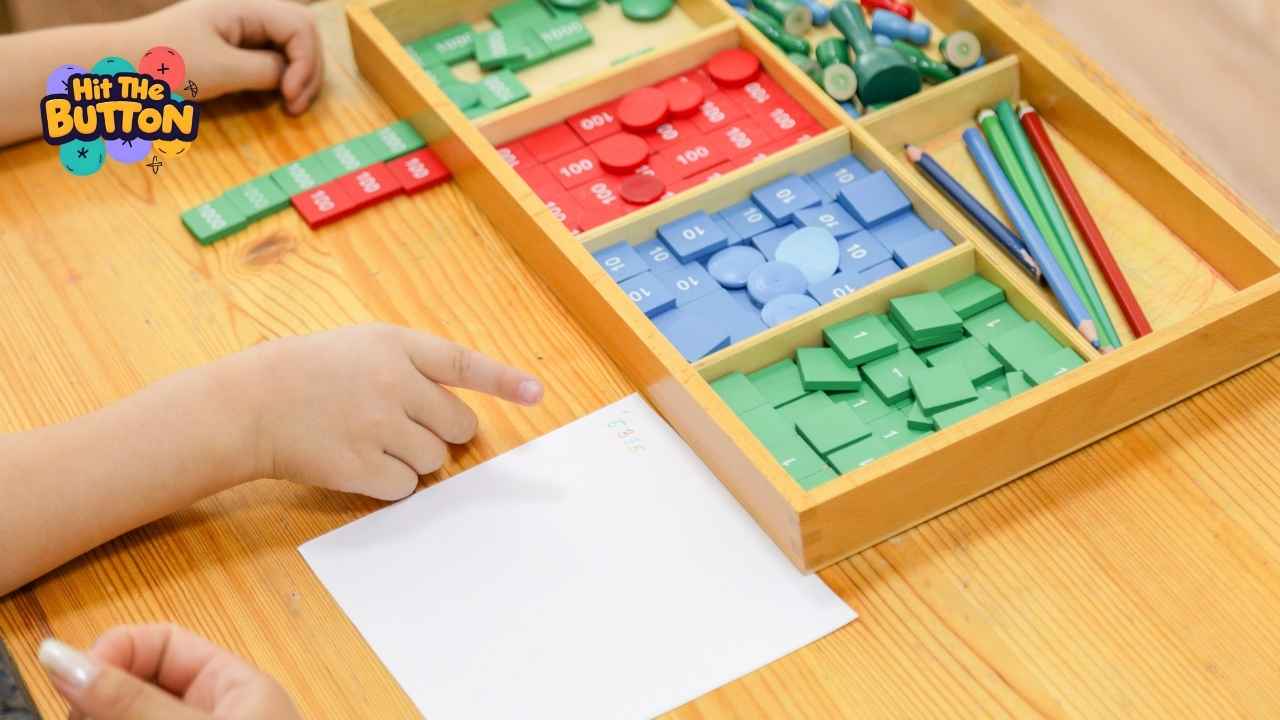
Maths is a key subject in UK primary education. It supports learning in many areas, including science, technology, and everyday problem-solving. For children aged 6–11, maths lessons help build skills that will be needed throughout school and later life.
However, many children experience maths anxiety. This is a feeling of worry, fear, or stress when faced with maths tasks. Maths anxiety can affect children in both Key Stage 1 (KS1) and Key Stage 2 (KS2). It may lead to avoidance, low confidence, and slower progress.
The good news is that maths anxiety can be reduced. With supportive teaching, calm practice, and the right approach at home and in school, children can build confidence over time.
This article explains what maths anxiety is, why it happens, and how parents and teachers can help children feel more secure through practice.
Maths Anxiety in Primary-Age Children
Maths anxiety is more than simply disliking maths. It is a real emotional response that can make children feel overwhelmed.
Children with maths anxiety may:
- Freeze when asked a question
- Avoid answering, even when they know the method
- Become upset during maths lessons or homework
- Say things like “I’m bad at maths”
- Rush through work to get it over with
Maths anxiety can appear as early as KS1, especially when children start comparing themselves with others.

Why Maths Anxiety Matters in KS1 and KS2
In the UK National Curriculum, maths skills develop step by step. Early understanding is important because later topics build on it.
KS1 Expectations (Ages 5–7)
Children are expected to:
- Count confidently
- Recognise number bonds
- Begin addition and subtraction
- Understand simple measures and shapes
KS2 Expectations (Ages 7–11)
Children move on to:
- Multiplication and division
- Fractions and decimals
- More complex problem-solving
- Written methods and reasoning
If anxiety prevents children from practising early skills, gaps can grow over time.
Common Causes of Maths Anxiety
Maths anxiety does not have one single cause. It often develops from a mix of experiences.
Possible reasons include:
- Fear of making mistakes
- Pressure to be quick or perfect
- Past struggles with basic number facts
- Comparing results with classmates
- Negative comments or labels
- Too much focus on tests
Some children may also feel anxious if maths lessons move too quickly or if concepts are not clearly explained.
How Maths Anxiety Can Affect Learning
Anxiety affects working memory. This is the part of the brain that helps children hold information while solving problems.
When a child feels stressed, they may find it harder to:
- Remember number facts
- Follow steps in a calculation
- Concentrate on word problems
- Explain their reasoning
This can create a cycle:
- The child struggles
- They feel worried
- They avoid maths
- They miss practice
- Confidence drops further
Breaking this cycle requires patience and steady support.
Recognising the Signs at Home and in School
Adults can help most when anxiety is noticed early.
Signs at Home
Parents may notice:
- Complaints about homework
- Tears or frustration during maths tasks
- Avoiding games involving numbers
- Saying they feel “stupid” or “not good enough”
Signs in the Classroom
Teachers may see:
- Reluctance to answer questions
- Low participation in maths discussions
- Overdependence on peers
- Sudden drops in performance
These behaviours often reflect fear, not lack of ability.
Building a Positive Maths Mindset
Confidence grows when children feel safe to learn.
Adults can support children by encouraging a healthy mindset.
Helpful messages include:
- “Mistakes help learning.”
- “It’s okay to take your time.”
- “You can improve with practice.”
- “Maths is about thinking, not speed.”
Avoid labels such as:
- “You’re a natural at maths”
- “Some people just aren’t maths people”
Children benefit from hearing that maths skills develop gradually.
The Role of Practice in Reducing Anxiety
Practice helps children feel more familiar with maths. Familiarity reduces fear.
However, practice must be:
- Short
- Regular
- Matched to the child’s level
- Supportive rather than pressured
Practice works best when it builds success
For example:
- A child who struggles with subtraction may start with small numbers
- Once confident, they can move to harder questions
Effective Practice Strategies for KS1
In KS1, practice should be practical, visual, and playful.
Useful approaches include:
- Counting objects (buttons, toys, coins)
- Using number lines
- Playing simple board games with dice
- Repeating number bonds gently
Example Practice Activity
Number bonds to 10
Ask:
- “What makes 10?”
- “6 and what?”
Keep sessions brief, around 5–10 minutes.
Effective Practice Strategies for KS2
KS2 children often face more complex tasks, so practice should focus on understanding as well as accuracy.
Helpful strategies include:
- Times table practice in small chunks
- Breaking word problems into steps
- Using visual models for fractions
- Revisiting earlier skills when needed
Example Practice Step
For a fraction question:
- Identify the whole
- Find equal parts
- Count the parts needed
Children gain confidence when methods are clear.

Classroom Approaches That Support Confidence
Teachers can reduce anxiety through classroom culture.
Supportive teaching includes:
- Allowing thinking time
- Encouraging discussion, not just answers
- Using mixed methods, not one fixed approach
- Praising effort and strategies
Reducing Pressure
Timed tests may help some children but increase anxiety in others. Schools may use them carefully, with flexibility.
Home Support Without Adding Stress
Parents play an important role, but support works best when calm and consistent.
Helpful home habits include:
- Keeping homework routines predictable
- Offering encouragement rather than correction
- Asking children to explain their thinking
- Celebrating small improvements
What to Avoid
- Showing frustration
- Comparing siblings or classmates
- Turning practice into long sessions
A relaxed approach helps children feel safe.
Using Interactive and Game-Based Practice Carefully
Some children benefit from interactive activities or maths games, especially when they make practice feel less threatening.
These can help by:
- Providing repetition in a light way
- Allowing children to practise privately
- Increasing engagement
However, they are not a replacement for teaching and discussion. Adults should check that children understand the maths, not just click answers.
Simple Table: Practice Ideas by Key Stage
| Key Stage | Focus Area | Practice Examples |
|---|---|---|
| KS1 | Number sense and bonds | Counting objects, number games |
| KS1 | Early addition/subtraction | Simple stories, visual methods |
| KS2 | Fluency and recall | Times tables, short daily questions |
| KS2 | Reasoning and problems | Step-by-step word problems, models |
Limitations of Practice and When Extra Help Is Needed
Practice is helpful, but it has limits.
Practice alone may not work if:
- A child has gaps in understanding
- Anxiety is severe
- Teaching methods have not been clear
- The child feels constant pressure
In these cases, support may include:
- Talking with the class teacher
- Revisiting earlier concepts
- Small-group intervention
- Building confidence slowly before moving ahead
Children should never feel blamed for struggling.
Key Takeaways
- Maths anxiety is common in KS1 and KS2 and can affect learning.
- Children may avoid maths when they fear mistakes or pressure.
- Confidence grows through calm, regular, level-appropriate practice.
- Supportive language and classroom culture make a big difference.
- Practice should be short, positive, and focused on understanding.
- Interactive activities can help, but they should not replace teaching.
FAQ: Maths Anxiety in Children
1. Is maths anxiety normal in primary school?
Yes. Many children feel worried about maths at some stage, especially when work becomes harder.
2. Can maths anxiety affect test results?
Yes. Anxiety can make it harder to think clearly, even when a child understands the topic.
3. How much practice is enough?
Short daily practice (5–15 minutes) is often more helpful than long sessions.
4. Should children do timed maths tests at home?
Timed tasks may help some children but increase stress for others. It depends on the child’s confidence.
5. When should parents speak to the school?
If anxiety is stopping a child from engaging with maths, it is helpful to discuss support with the teacher.
Conclusion
Maths anxiety can affect many children during the primary years. It may lead to worry, avoidance, and reduced confidence, particularly as maths becomes more demanding in KS2.
Parents and teachers can play an important role by creating a calm learning environment, encouraging mistakes as part of learning, and using gentle practice to build familiarity. With steady support, most children can improve their confidence and develop a healthier relationship with maths.
Maths progress is not about being perfect or fast. It is about understanding, practice, and feeling safe to learn step by step.