

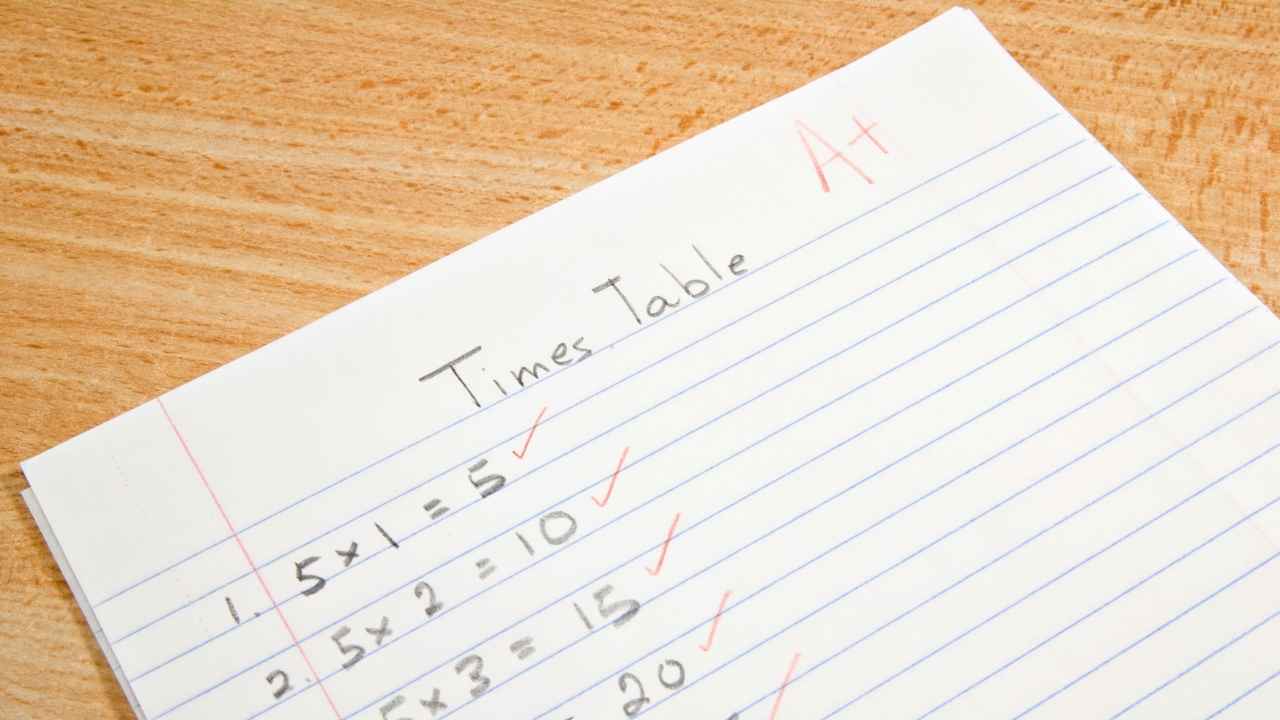
Maths practice is an important part of learning for children aged 6–11. In the UK, maths is a core subject in both Key Stage 1 (KS1) and Key Stage 2 (KS2). Regular practice helps children build confidence, improve fluency, and develop problem-solving skills.
However, not all maths practice activities are equally helpful. Some tasks support real understanding, while others may only encourage memorising without meaning. Parents and teachers often ask what makes a practice activity truly effective.
A good maths practice activity should be clear, purposeful, age-appropriate, and linked to the National Curriculum. It should also help children think, not just repeat.
This article explains what makes maths practice valuable for primary school children, with guidance for both home and classroom use.
Why Maths Practice Matters in Primary Education
In primary school, children learn key maths skills that they will use throughout life. These include number knowledge, calculation, measuring, geometry, and reasoning.
Practice is important because it helps children:
- Remember what they have learned
- Become quicker and more accurate
- Understand maths concepts more deeply
- Feel more confident when solving problems
In KS1, practice focuses on building strong foundations in counting, place value, and simple calculations. In KS2, children need more opportunities to apply skills in different contexts.
Practice works best when it supports understanding rather than simply repeating facts.

Linking Practice to the UK National Curriculum
Maths practice should match what children are expected to learn at each stage.
KS1 Expectations (Ages 5–7)
Children typically practise:
- Counting forwards and backwards
- Number bonds to 10 and 20
- Adding and subtracting within 20
- Recognising shapes
- Simple measurement (length, weight, time)
KS2 Expectations (Ages 7–11)
Children develop skills in:
- Multiplication and division facts
- Written methods for calculations
- Fractions and decimals
- Problem-solving and reasoning
- Measures, geometry, and statistics
A good activity supports these goals without being too advanced or too easy.
Clear Learning Purpose: Practice Should Have a Goal
Effective maths practice is not just “doing more questions”. Each activity should have a clear purpose.
For example:
- Practising number bonds helps with mental maths
- Practising times tables supports division and fractions
- Practising fractions helps with later work in ratio and decimals
Without a clear goal, practice can feel meaningless.
Helpful Questions to Ask
Parents and teachers can consider:
- What skill is this activity building?
- Is the child ready for this level?
- Does it help understanding or just repetition?
Age-Appropriate and Manageable Tasks
Children learn best when tasks match their stage of development.
A good practice activity should:
- Be short enough to hold attention
- Use language children understand
- Include numbers at the right level
- Avoid overwhelming children with too many steps
Example of Appropriate Challenge
| Age Group | Suitable Practice Example |
|---|---|
| KS1 (6–7) | Adding within 20 using counters |
| Lower KS2 (7–9) | Multiplying 2-digit numbers by 1-digit |
| Upper KS2 (9–11) | Solving fraction problems with reasoning |
If an activity is too difficult, children may lose confidence. If it is too easy, progress may slow.
Balance Between Fluency and Understanding
Good maths practice includes both fluency and reasoning.
Fluency Practice
Fluency helps children become quick and accurate. Examples include:
- Times table recall
- Number bond games
- Quick addition and subtraction tasks
Understanding Practice
Understanding develops when children explain and explore. Examples include:
- Showing different ways to solve a problem
- Using objects or drawings
- Comparing answers and discussing methods
Both are needed. Fluency without understanding can lead to mistakes. Understanding without fluency can make problem-solving slower.
Activities That Encourage Thinking, Not Just Repeating
Worksheets can be useful, but practice should not always be repetitive.
A good activity encourages children to think by including:
- Patterns
- Missing number problems
- Open-ended questions
- Real-life maths situations
Example Tasks That Promote Thinking
- “What numbers add up to 20?”
- “Find three ways to make ½.”
- “Explain why your answer is correct.”
These tasks build reasoning skills, which are a key part of the KS2 curriculum.

Use of Concrete Resources and Visual Models
Children often understand maths better when they can see or touch it.
Useful resources include:
- Counters
- Number lines
- Base ten blocks
- Fraction strips
- Shapes and measuring tools
Why This Matters
Concrete and visual models help children:
- Understand place value
- See relationships between numbers
- Make sense of fractions
- Reduce confusion with abstract symbols
For KS1 pupils especially, hands-on learning is often essential.
Practice Should Include Real-Life Contexts
Maths becomes more meaningful when linked to everyday situations.
Examples include:
- Measuring ingredients while cooking
- Telling the time
- Handling money in role play
- Reading scales or timetables
Real-life practice helps children see that maths is useful beyond school.
Classroom and Home Benefit
Teachers can use story problems, while parents can involve children in daily routines.
However, real-life problems should stay simple and appropriate for the child’s age.
The Role of Games and Interactive Practice
Interactive and game-based activities can support learning when used carefully.
Games may help children:
- Stay engaged
- Practise skills without pressure
- Repeat key facts in a fun way
Examples include:
- Card games for number bonds
- Dice games for addition
- Simple digital quizzes for times tables
Limitations to Consider
Game-based practice is not always enough on its own. Some children may focus more on winning than learning.
Games work best when:
- The maths goal is clear
- Adults check understanding
- Practice is balanced with other methods
Feedback and Support During Practice
Children need feedback to improve.
Good practice activities allow adults to:
- Spot misunderstandings
- Correct mistakes early
- Encourage good strategies
Helpful Feedback Includes
- “Can you show how you worked it out?”
- “Let’s try a different method.”
- “That was close, check this step.”
Praise should focus on effort and thinking, not just correct answers.
Keeping Practice Positive and Low-Stress
Maths practice should build confidence, not anxiety.
Good activities should:
- Be short and regular
- Allow children to succeed
- Avoid excessive pressure
- Include breaks when needed
Suggested Practice Time
| Stage | Recommended Practice Length |
|---|---|
| KS1 | 5–10 minutes |
| Lower KS2 | 10–15 minutes |
| Upper KS2 | 15–20 minutes |
Long sessions can lead to tiredness and frustration.
Adapting Activities for Different Learners
Children learn maths at different speeds. Practice should be flexible.
Some children may need:
- Extra visual support
- Smaller steps
- More repetition
Others may benefit from:
- Greater challenge
- Problem-solving tasks
- Investigations and reasoning questions
Teachers often use differentiation in class, and parents can also adjust tasks at home.
Key Takeaways
- Good maths practice is linked to KS1 and KS2 curriculum goals
- Activities should have a clear purpose and match the child’s level
- Practice works best when it supports both fluency and understanding
- Thinking and reasoning tasks are as important as repetition
- Visual and hands-on resources help children grasp concepts
- Games can support learning but should be balanced
- Positive feedback and short sessions build confidence
- Practice should be adaptable for different learners
FAQ: Maths Practice for Primary Children
1. How often should children practise maths at home?
Short practice sessions a few times a week are usually enough. Daily practice may help some children, but it should not feel stressful.
2. Are worksheets always useful?
Worksheets can help with fluency, but children also need activities that develop reasoning and understanding.
3. What if a child keeps making the same mistake?
This may mean the concept is not fully understood. Using visual models or revisiting earlier steps can help.
4. Do maths games really help learning?
Games can improve engagement and recall, but they work best when adults check that learning is happening, not just playing.
5. What is the most important skill to practise in primary school?
Number sense and confidence with basic calculations are key foundations, especially in KS1 and early KS2.
Conclusion
A good maths practice activity helps children develop skills, understanding, and confidence in line with the UK National Curriculum. The most effective practice is clear, age-appropriate, and balanced between fluency and reasoning.
Parents and teachers can support learning by choosing activities that encourage thinking, using visual resources, and keeping practice positive. While games and interactive tasks can be helpful, they should be part of a wider approach that includes discussion, feedback, and real understanding.
With thoughtful practice, children in KS1 and KS2 can build strong foundations for lifelong maths learning.